Semaphore Art Gallery East 6th Street 1984 New York
Marc H. Miller and Barry Blinderman reflect on the Hamlet of the '70s and '80s, when Reaganomics inspired Keith Haring to stick it to the man.
The late 1970s through mid-1980s in New York marked a major turning betoken in both the city'southward political history and the art world. Fueled past the policies of the Reagan White Firm, money began to overflowing the well-nigh broke urban center, heightening the stratification between the haves and accept-nots, while the specter of gentrification began to sink its teeth into the downtown empyrean.
In this brief window, the last vestiges of bohemian life staked their claim in the outposts of the East Village and the Lower E Side, where a new anti-authoritarian fine art scene emerged. With the launch of galleries like FUN, Gracie Mansion, ABC No Rio, and Civilian Warfare, the downtown scene was primed for new talents similar Jean-Michel Basquiat, Keith Haring, and David Wojnarowicz that would accept the world past tempest.
In an exclusive chat with Document Journal, journalist and archivist Marc H. Miller and art historian and Semaphore gallerist Barry Blinderman hash out this pivotal era of New York City history, spotlighting how artists and galleries used work as a call to action, rather than a commodity for status and profit. Still the scene's explosion would ultimately crusade its downfall, as efforts to characterization and parcel that which defied the system would crash and burn. Today, while countless East Village storefronts sit empty because minor businesses cannot afford the rent, we look back at a time when the neighborhood was a playground for anyone who dared to follow their dreams.
Marc H. Miller—In the 1960s, the East Village began to house the counterculture. Beatniks and jazz musicians lived in that location. There'southward a seamless line between beats and hippies, while punk was a later manifestation of it. There were a bunch of overlaps, and you had Allen Ginsberg and Richard Hell living in the aforementioned building. What they have in mutual is the low rents.
Barry Blinderman—Artists seek cheap rent. When I came to New York in 1980, SoHo was already becoming gentrified, with high fashion boutiques popping upwardly next to galleries. In 1983 I lived at Rivington and Suffolk, in the Lower East Side. My loft was across the street from ABC No Rio. I would pass through the park on my way to SoHo and ten heroin dealers were chanting, "Black Expiry! Toilet!"
Marc—I was involved with ABC No Rio, which came out of The Real Estate Show. Colab [Collaborative Projects] had squatted a vacant urban center-owned building and mounted an exhibition on existent estate. The city evicted them but at that place was so much publicity that the city offered the group an abandoned infinite, which became ABC No Rio. For the starting time few years it had a strong political agenda, which was heightened with the election of Ronald Reagan.
Barry—Reagan was the progenitor of '80s political art. Keith Haring, Jenny Holzer, Barbara Kruger—everyone was reacting against what they saw as a war-mongering autocracy.
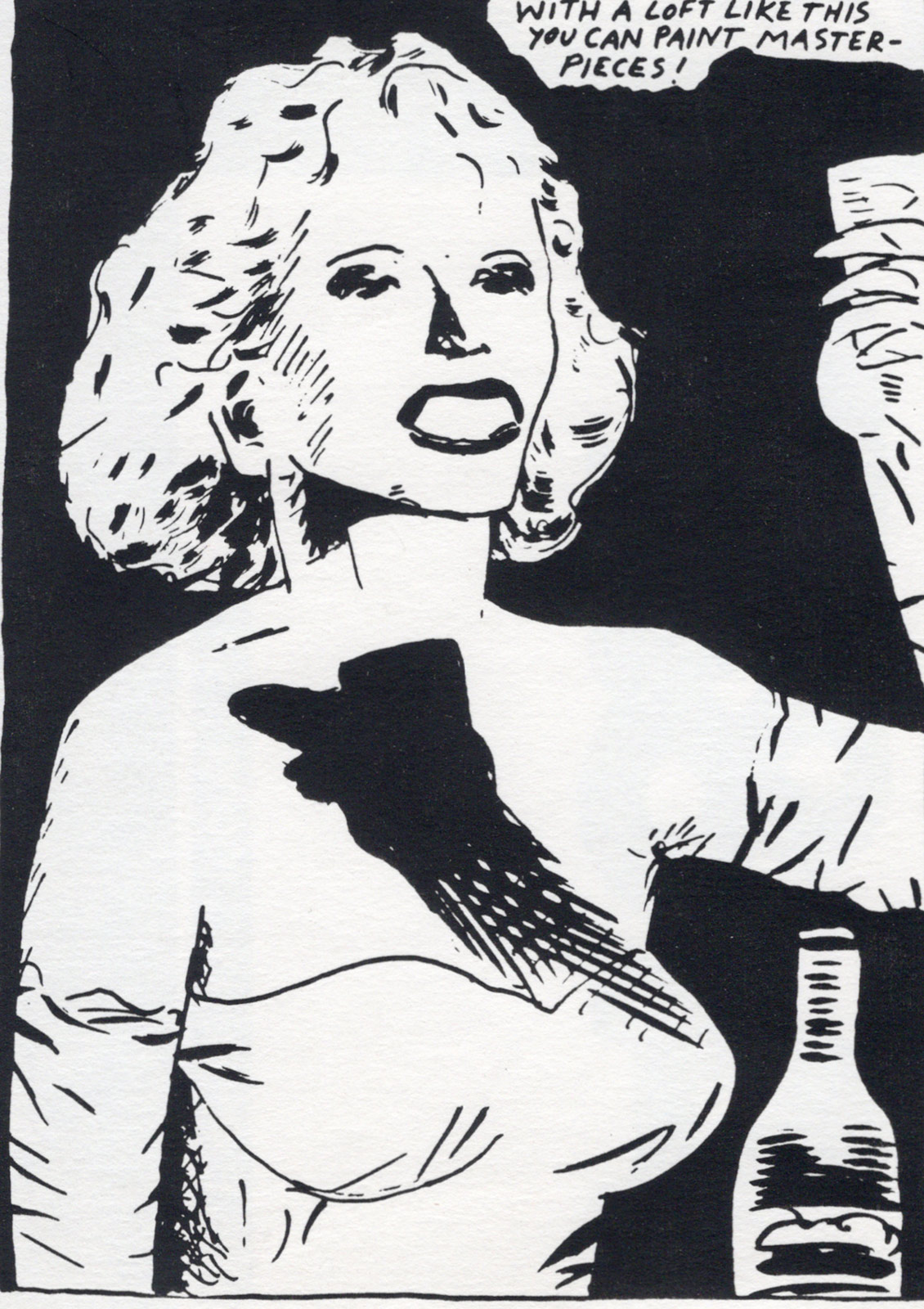
Left: Raymond Pettibon, A&P Gallery Closing Political party, Announcement Card, 1986 – Courtesy online Gallery 98.
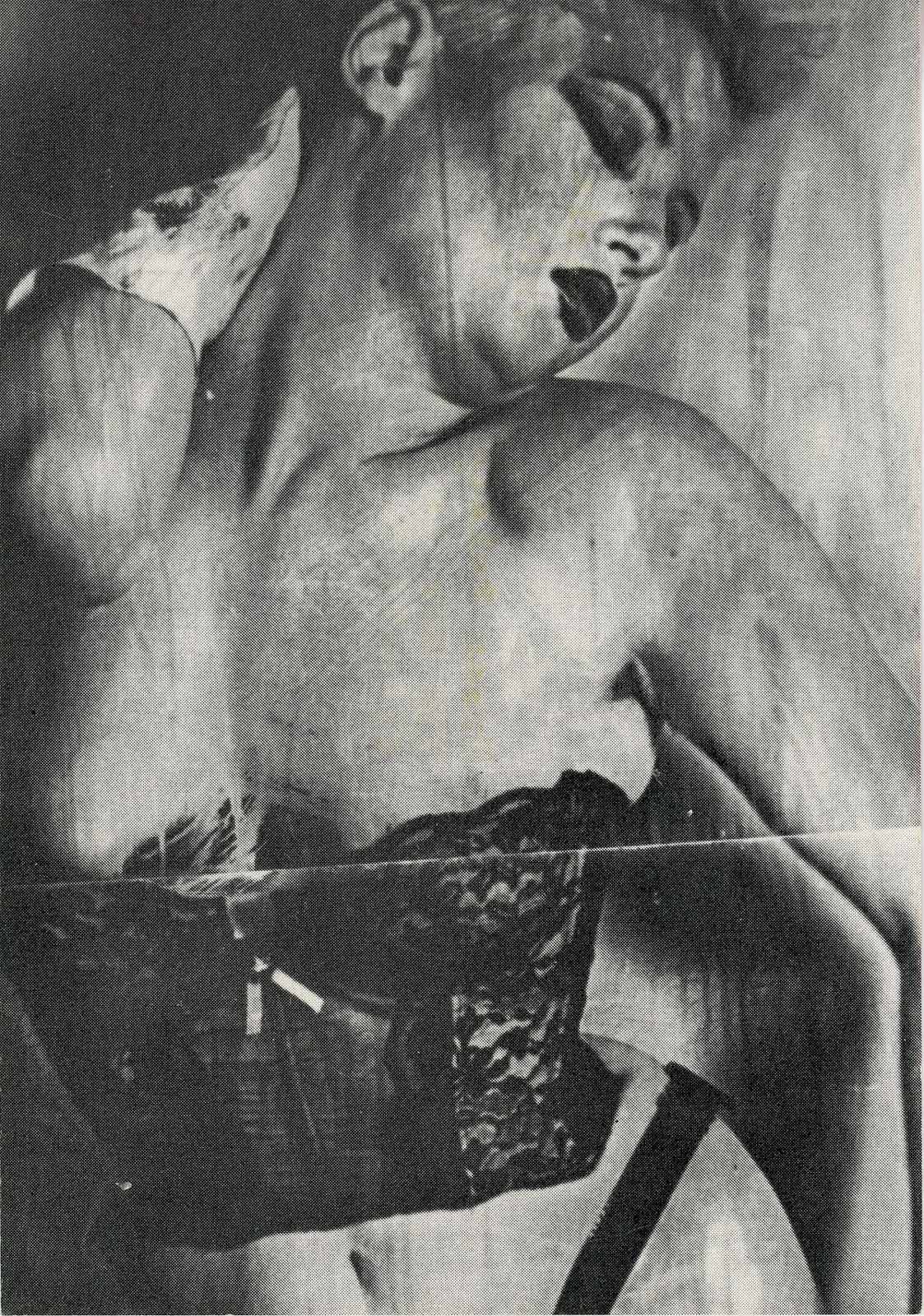
Right: Lynne Augeri, Greathouse Gallery, Announcement Card, early 1980s – Courtesy online Gallery 98.
Marc—I'd date the East Village art scene as beginning in 1982. Andy Warhol and the pop artists had done a good job of publicizing New York, and a lot of people descended on the city and went into the arts. There was a reaction against business organization—it was the hippie generation.
Barry—In the early on '70s we were proud of never wanting to pursue a career [laughs], "I want to study philosophy and I'g never going to work for the Human being."
Marc—That was the spirit of the times. It became a D.I.Y. thing because the established galleries weren't opening upwardly that much to younger artists so they created their own venues.
Barry—Here you had talented, visionary people in their 20s who were showing artists in storefront galleries. The D.I.Y. quality of FUN, Cash, and Nature Morte fit the sensibility of the time, where y'all had non-virtuoso musicians like the Talking Heads and Richard Hell who learned their craft on the get. Aforementioned thing with artists and galleries: Patti Astor at FUN was showing graffiti artists like FUTURA 2000, Jean-Michel Basquiat, Fab 5 Freddy, and Lee Quinones, who went from spray-painting walls and trains correct to the galleries. This was thoroughly alien to the concept of 57th Street and Soho galleries, where everything was codified.
Marc—You lot could do anything. I was hanging out at CBGB and noticed there were a lot of visual artists hanging out there. I had the opportunity to do the start Punk Art show. At that place was a sense you lot could starting time an art motion. It was a little pretentious and I'm non sure it panned out but with the alternative press you could get that publicity out.
Barry—With the Eastward Hamlet Eye, the scene had its very own paper. So Carlo McCormick, the curator and writer of the day, became the chief art critic for [the Middle]. Walter Robinson was writing for them besides.
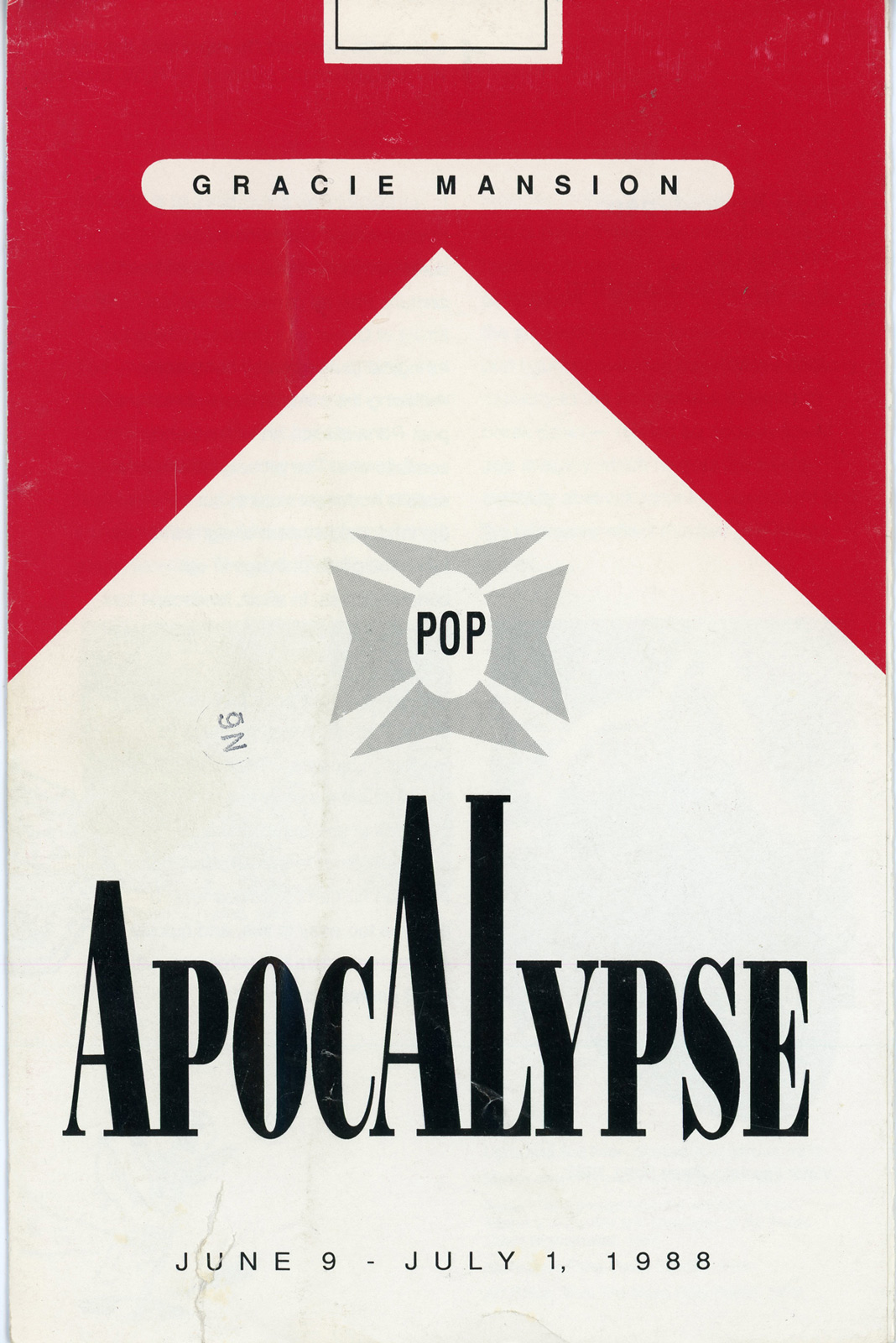
Left: Pop Apocalypse (Group Show), Gracie Mansion Gallery, five-Fold Carte, 1988 – Courtesy online Gallery 98.
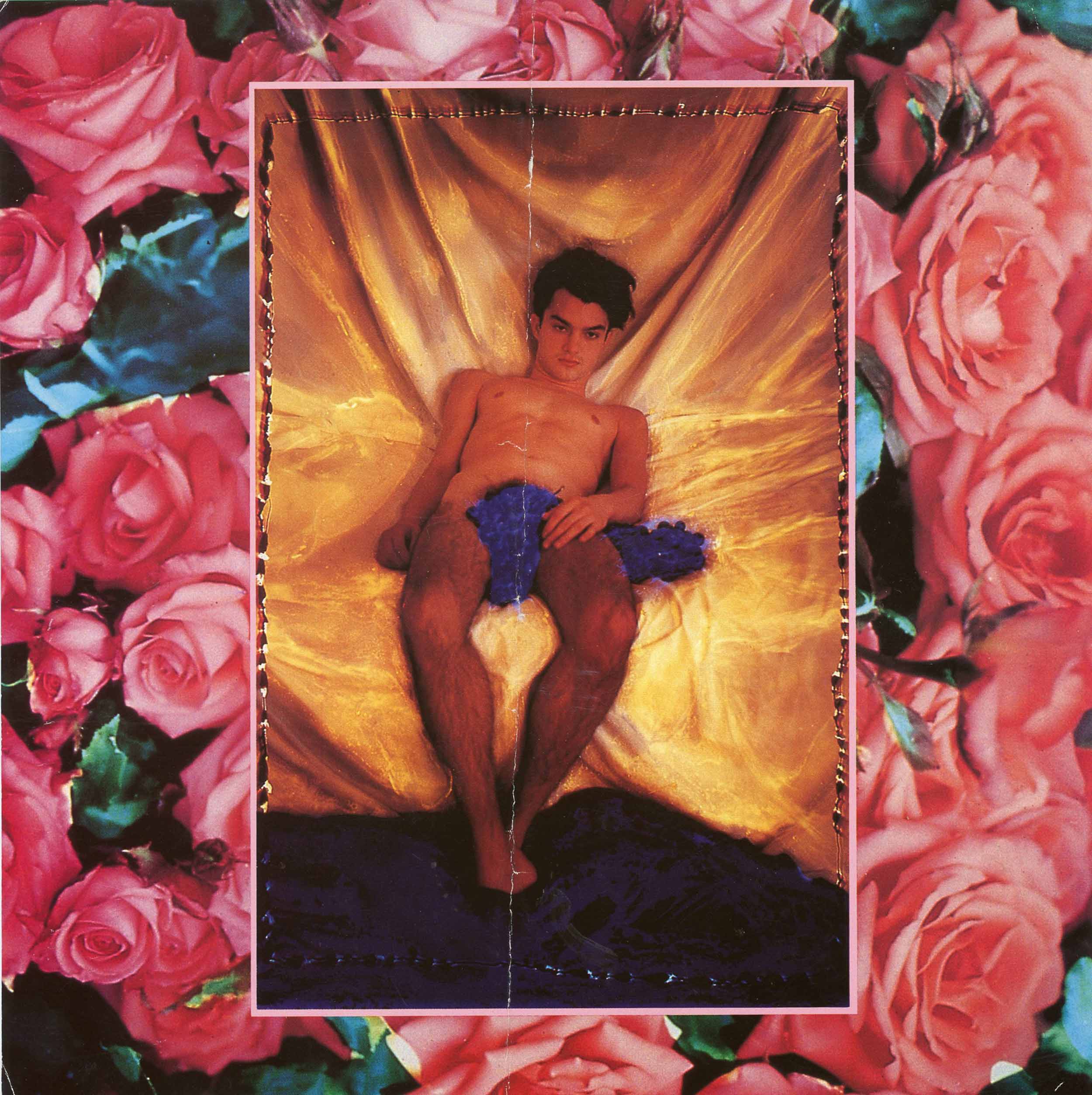
Correct: David La Chapelle, 56 Bleecker Gallery, Annunciation Card, 1988 – Courtesy online Gallery 98.
Marc—Walter was a fellow member of Colab and his day chore was working for Fine art in America. They gave him the opportunity to work with Carlo to do a story called "Slouching Towards Avenue D" and it provided an identity for the East Hamlet fine art scene.
Barry—In 1980, I opened Semaphore Gallery in SoHo. By '83, artists we were showing, like Martin Wong and Mark Kostabi, wanted to testify in the E Hamlet only they also wanted to remain showing with us. I decided to open up another gallery on the corner of 10th Street and Avenue B in fall 1984. Our get-go show was Keith Haring and Tseng Kwong Chi.
Marc—There was a conventionalities that there was an 'East Village art movement' although I think that quickly proved untenable—there were too many styles. Information technology was an attempt to define a movement based on a location and it encouraged a lot of people to become role of this new wave. The basic truth was that all the galleries, artists, and activity were a forcefulness of gentrification. There were ii East Villages, with Avenue B dividing them.
Barry—The East Hamlet was an exciting risk just eventually it seemed merely a commercial and real estate designation. Many of the Eastward Village galleries moved back to SoHo. A lot of the most talented artists, like Luis Frangella and Rick Prol, never survived that move and got lost in the shuffle.
Marc—Mode too many galleries opened there and the term 'East Village artist' became synonymous with low quality. Information technology was an illusion that in that location was an East Village style.
Barry—It was an arbitrary designation that had a lot to exercise with money, either a profusion of money or a lack of it on the artists' part. Now the urban center is so commercial you could never have the Due east Village scene happen.
Source: https://www.documentjournal.com/2019/09/the-explosive-rise-and-inevitable-downfall-of-the-east-village-art-scene/
0 Response to "Semaphore Art Gallery East 6th Street 1984 New York"
Post a Comment